Obesity Hypoventilation Syndrome (OHS) BiPAP Machine Complete Guide: Rent or Buy in India
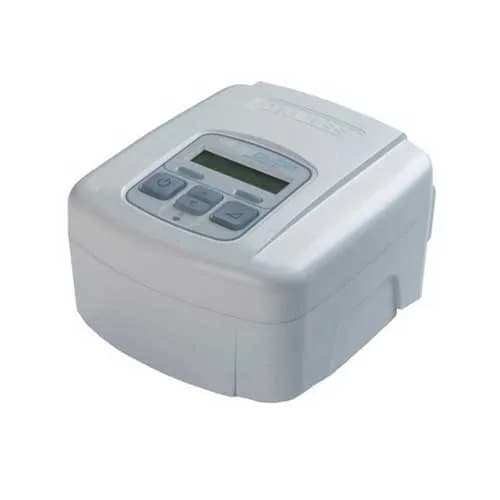
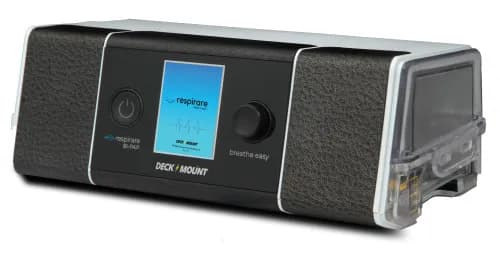
An Obesity Hypoventilation Syndrome OHS BiPAP Machine Complete Guide Rent or Buy in India refers to a clinical resource helping hypercapnic respiratory failure patients evaluate, select, and obtain non-invasive ventilation (NIV) devices suitable for long-term home air delivery. Managing chronic hypoventilation requires precise pressure delivery to clear carbon dioxide and maintain optimal arterial oxygen levels. At Oxygen4India, we provide comprehensive respiratory care guides and medical equipment delivered across India to empower patients, caregivers, and clinicians with accurate information on non-invasive ventilation devices.
If you or a family member experience daytime fatigue, morning headaches, or severe snoring alongside a body mass index (BMI) exceeding 30 kg/m², understanding your non-invasive ventilation choices is essential. Choosing between purchasing a permanent device or utilizing dedicated rental services depends on your specific clinical timeline, prescribed settings, and overall budget.
What Is Obesity Hypoventilation Syndrome (OHS) and How Does It Affect Breathing?
Obesity Hypoventilation Syndrome (OHS) is a chronic condition characterized by obesity (BMI greater than or equal to 30 kg/m²), daytime hypercapnia (arterial carbon dioxide partial pressure exceeding 45 mmHg), and sleep-disordered breathing without an alternative neuromuscular, metabolic, or chest-wall cause.
- Obesity (BMI >= 30 kg/m²) + Excess Chest Mass
- Shallow Breathing (Hypoventilation) During Sleep & Day
- Accumulation of Elevated Blood Carbon Dioxide (CO2)
- Dual-Pressure BiPAP Therapy Needed (IPAP/EPAP Support)
When excessive adipose tissue accumulates around your chest wall and abdomen, your diaphragm must work harder to inflate your lungs. Over time, this restriction leads to chronic hypoventilation—a state where your lungs take shallow breaths, causing carbon dioxide ($CO_2$) to build up in your bloodstream (hypercapnia) while oxygen levels drop (hypoxemia).
If you leave OHS unmanaged, daytime hypercapnia leads to persistent morning headaches, severe daytime somnolence, cognitive fog, and pulmonary hypertension. Over time, the strain on your right ventricle can progress to cor pulmonale (right-sided heart failure). Non-invasive ventilation (NIV) through a bilevel machine acts as a mechanical splint. By delivering targeted pressure support, the device flushes out excess carbon dioxide during exhalation and expands your lung volume during inhalation.
Why Is a BiPAP Machine Essential for Managing OHS?
A BiPAP machine is essential for managing OHS because it delivers two distinct pressure levels—higher pressure during inhalation and lower pressure during exhalation—which assists overworked respiratory muscles in blowing off excess carbon dioxide.
While Continuous Positive Airway Pressure (CPAP) delivers a single continuous pressure to keep upper airways open, CPAP often fails to resolve daytime hypercapnia in OHS patients. BiPAP (Bilevel Positive Airway Pressure) provides dual-pressure control:
- IPAP (Inspiratory Positive Airway Pressure): A higher pressure setting that assists your inhalation, increases tidal volume, and actively removes accumulated carbon dioxide.
- EPAP (Expiratory Positive Airway Pressure): A lower pressure setting that maintains upper airway patency, prevents obstructive apneas, and keeps lung alveoli open.
Advanced Ventilation Modes: BiPAP ST and AVAPS
For severe OHS cases, standard fixed-pressure BiPAP (S mode) may not suffice if you experience central apneas or severe hypoventilation during deep sleep stages. Pulmonologists frequently prescribe advanced bilevel modes:
- BiPAP ST (Spontaneous/Timed): Features a prescribed backup respiratory rate (BPM). If your natural breathing rate drops below the backup limit, the machine automatically initiates a breath to prevent prolonged hypoventilation.
- AVAPS / iVAPS (Average Volume Assured Pressure Support): Automatically adjusts the IPAP level dynamically breath-by-breath to ensure you achieve a target tidal volume (mL of air per breath) prescribed by your doctor.
Medical consensus from organizations like the World Health Organization (WHO) highlights non-invasive mechanical ventilation as a primary intervention for acute and chronic hypercapnic respiratory failure. Always follow your sleep study (polysomnography) report and pulmonologist's prescription. Never alter IPAP, EPAP, backup rates, or target volume settings on your own.
Should You Rent or Buy a BiPAP Machine in India?
Deciding whether to rent or buy a BiPAP machine in India depends on whether your requirement is short-term post-hospitalization recovery or lifelong hypercapnic therapy, balanced against your upfront budget and maintenance preferences.
When managing OHS in India, evaluating device ownership models ensures financial efficiency alongside clinical compliance. Renting offers flexibility without high upfront capital expenditure, making it suitable for temporary stabilization after a respiratory crisis. Buying provides long-term cost savings, full customizability, and peace of mind for permanent, lifelong conditions like OHS.
BiPAP Purchase vs. Rental Evaluation Matrix
| Criterion | Renting a BiPAP Machine | Purchasing a BiPAP Machine |
|---|---|---|
| Upfront Capital Outlay | Low; monthly fee + refundable security deposit | Initial capital investment for the device unit |
| Long-Term Cost Efficiency | Higher cumulative cost if used continuously beyond 12–18 months | Lower cost-per-day across a typical 5-to-7-year operational lifespan |
| Device Customizability | Dependent on available rental inventory models | Choice of advanced features (AVAPS, auto-titration, data modems) |
| Maintenance & Servicing | Vendor manages repairs, filter changes, and loaner units | Owner manages annual servicing, filter changes, and warranty claims |
| Sanitation & Accessories | Unit motor reused (requires new mask, tubing, and filters) | 100% factory-new unit and sealed accessories |
| Best Clinical Fit For | Post-ICU discharge, short-term titration, or temporary monitoring | Permanent OHS management, lifelong sleep-disordered breathing |
At Oxygen4India, we provide direct purchase options for factory-new certified CPAP and BiPAP machines, along with flexible oxygen concentrator rental options across India. When evaluating non-invasive ventilation providers in India—such as Healthy Jeena Sikho, Prime Healers, Mythree Healthcare, OxyGo India, or Medequip—we encourage you to review their specific rental terms, sanitation protocols, and warranty structures directly on their respective websites.
How to Choose the Right BiPAP Machine for OHS Patient Needs?
To choose the right BiPAP machine for OHS patient needs, match your physician's prescription against key device specifications, including support for specialized modes (ST or AVAPS), adequate IPAP pressure range (up to 25–30 $cmH_2O$), and integrated heated humidification.
BiPAP Selection Criteria for OHS
- Mode Capability: BiPAP S/ST, AVAPS / iVAPS, Auto-Bilevel
- Pressure Performance: IPAP Range up to 30 cmH2O, EPAP Range 4-20 cmH2O, Fast Ramp-Up Response
- Humidification & Data: Integrated Heated Humidifier, Detailed SD Card / Cellular Compliance Reporting
Selecting non-invasive ventilation equipment requires careful attention to critical technical features:
- Supported Ventilation Modes: Ensure the device supports the exact algorithm your physician prescribed—whether fixed BiPAP S, auto-bilevel, BiPAP ST, or target volume modes like AVAPS.
- Pressure Range Capabilities: OHS patients often require higher inspiratory pressures. Select a device capable of delivering IPAP up to 25 or 30 $cmH_2O$ and EPAP between 4 and 20 $cmH_2O$.
- Integrated Heated Humidification: High-pressure airflow can dry your nasal passages and throat, leading to airway resistance and compliance failure. A heated humidifier maintains comfortable airway moisture levels.
- Data Logging and Compliance Tracking: Modern BiPAP units store detailed daily usage logs, average tidal volume, breath-by-breath leak rates, and your Apnea-Hypopnea Index (AHI). This data allows your pulmonologist to fine-tune your settings during follow-up visits.
- Operating Noise Level: Look for ultra-quiet blower technology (under 30 dBA) to ensure smooth, undisturbed sleep for you and your bed partner.
Essential Accessories for OHS BiPAP Therapy
A BiPAP machine functions as a complete system alongside high-quality interface accessories. To ensure optimal air delivery without excessive leaks, select specialized items from our dedicated CPAP & BiPAP Accessories store:
- Full-Face Masks: Recommended for high-pressure OHS therapy because they cover both nose and mouth, preventing pressure loss if you open your mouth during sleep.
- Heated Air Tubing: Prevents condensation buildup ("rainout") inside the hose when using high humidity settings.
- Hypoallergenic Air Filters: Fine-particle filters prevent dust and ambient allergens from entering your machine's motor and blowing directly into your lungs.
How to Set Up and Maintain Your BiPAP Machine Step-by-Step?
Setting up and maintaining your BiPAP machine requires correct positioning on a flat surface, filling the humidifier with distilled water, adjusting the mask seal properly, and performing routine hygiene maintenance.
Follow these 4 clear steps to set up and maintain your device:
Step 1: Position the Device and Prepare the Humidifier
Place your BiPAP unit on a flat, stable nightstand lower than your sleeping position to prevent accidental water spills into the hose. Ensure the rear cooling vents remain unobstructed by curtains or walls (maintain at least 6 inches of clearance). Open the humidifier chamber, fill it up to the marked maximum fill line using only distilled or demineralized water, and slide the chamber back into the machine until it clicks securely.
Step 2: Connect Tubing and Fit the Interface Mask
Attach one end of your flexible tubing firmly to the air outlet port of the BiPAP machine. Connect the other end to your full-face or nasal mask swivel connector. Sit upright on your bed, unclip the lower mask straps, and place the silicone cushion gently over your nose and mouth. Pull the headgear over your head and tighten the straps symmetrically—tight enough to form an airtight seal, but loose enough to slide two fingers underneath the straps to avoid skin irritation.
Step 3: Power On, Test Pressure, and Check for Air Leaks
Plug the power supply into a dedicated wall socket (using a surge protector is recommended). Press the Start/Stop button to initiate airflow. As the machine ramps up to your prescribed IPAP and EPAP levels, breathe slowly and naturally through your nose. Reach around the edge of the mask cushion to check for air leaking toward your eyes. If you feel air escaping, adjust the headgear tension slightly until the leak stops.
Step 4: Perform Daily Hygiene and Scheduled Component Maintenance
Follow a consistent cleaning schedule to keep your therapy hygienic and prolong the operating life of your machine motor:
- Daily: Empty remaining water from the humidifier chamber every morning. Never reuse standing water. Wipe down the mask silicone cushion with a damp cloth or mild soap.
- Weekly: Wash the mask frame, headgear, and flexible tubing in warm water using mild liquid dish soap. Rinse thoroughly and air dry away from direct sunlight.
- Monthly/Quarterly: Inspect the disposable fine-particle filter located at the air intake vent. Replace it every 30 days (or sooner if discolored). Replace your mask cushion every 3 to 6 months according to the manufacturer's manual.
What Are the Safety Precautions and Lifestyle Guidelines for OHS Patients?
Safety precautions for OHS patients involve combining prescribed non-invasive ventilation with supervised weight management, strict adherence to physician-set pressures, and monitoring oxygen levels when supplemental oxygen is prescribed.
Lifestyle modifications play a crucial role alongside medical equipment therapy. Non-invasive ventilation corrects nocturnal hypoventilation, but addressing the underlying mechanical burden of excess weight improves overall respiratory health.
Multi-Pillar Obesity Hypoventilation Management
- Nightly BiPAP Therapy: Consistent compliance clears excess CO2
- Weight Management: Supervised medical diet reduces chest mass burden
- Nocturnal Oxygen: Monitored via oxygen concentrator (if prescribed)
Key Health Guidelines to Follow
- Physician-Supervised Weight Management: Losing even 10% of total body weight reduces chest wall resistance, improves functional residual capacity, and lowers carbon dioxide retention. Work directly with a clinical dietitian and your doctor.
- Supplemental Oxygen Integration: If your physician prescribes nocturnal oxygen alongside BiPAP therapy, connect the oxygen supply line directly to the specialized port on your mask or dedicated inline connector. Never introduce supplemental oxygen directly into the air intake filter. Learn more about oxygen therapy devices in our comprehensive guide on oxygen concentrators.
- Routine Arterial Blood Gas (ABG) Monitoring: Schedule periodic follow-ups with your pulmonologist to perform ABG analyses. This test verifies that your daytime $PaCO_2$ levels are normalizing under current BiPAP pressure settings.
- Medical Safety Warning: Never adjust your IPAP, EPAP, or backup respiratory rate settings independently based on home observation. If you experience worsening daytime confusion, morning nausea, blue tinting of the lips (cyanosis), or acute shortness of breath, seek emergency medical care immediately.
Restoring Healthy Breathing with Oxygen4India
Obesity Hypoventilation Syndrome (OHS) is a manageable condition when treated with non-invasive bilevel ventilation. By delivering dual-pressure support, a modern BiPAP machine helps clear carbon dioxide, stabilizes blood oxygen levels, and protects your cardiovascular system from severe strain.
Whether you opt for an outright purchase or utilize dedicated equipment services, selecting certified equipment matched to your prescription is essential. Explore our broader range of advanced mobility and health solutions, including robust standard and powered wheelchairs, to support complete home care and personal independence.
At Oxygen4India, we support patients across India with detailed educational resources, certified CPAP & BiPAP machines, replacement accessories, and reliable therapy products. Our dedicated team helps you navigate device specifications, model options, and interface selections safely.
Have questions about choosing the right BiPAP machine, AVAPS mode, or interface accessories for your prescription? WhatsApp an expert at +91 86868 64336 today for personalized, professional guidance tailored to your respiratory health needs.
Frequently Asked Questions
What is the primary difference between CPAP and BiPAP for OHS patients?
CPAP provides a single continuous air pressure level to keep airways open, which is often insufficient for severe OHS. BiPAP provides two distinct pressure levels: IPAP (higher pressure for inhalation to flush out carbon dioxide) and EPAP (lower pressure for exhalation to keep airways open), making it effective for hypercapnic respiratory failure.
Can an OHS patient use a standard Auto-CPAP instead of a BiPAP?
Standard Auto-CPAP is generally not recommended for patients with confirmed daytime hypercapnia ($PaCO_2 > 45\text{ mmHg}$). Standard CPAP does not provide pressure support (the difference between IPAP and EPAP) needed to unload respiratory muscles and increase tidal volume to blow off carbon dioxide.
How do I know if I need a BiPAP ST or AVAPS machine?
Your pulmonologist determines your machine mode based on a diagnostic sleep study and arterial blood gas (ABG) tests. If you have central apneas or drop your breathing rate during sleep, a BiPAP ST with a backup rate is typically prescribed. If you require a guaranteed volume of air per breath despite changing lung mechanics, AVAPS is usually recommended.
Why is distilled water necessary for the BiPAP humidifier?
Tap water contains minerals like calcium and magnesium that leave hard deposits inside your humidifier chamber, reducing heater efficiency and creating air path impurities. Distilled water keeps the chamber clean, hygienic, and free of mineral scaling.
Can I run my BiPAP machine on a home inverter or UPS during power outages in India?
Yes, modern BiPAP machines can run on pure sine wave inverters or dedicated medical UPS battery packs. Be sure to check your device's wattage specifications (typically 60–90 watts without external accessories) to ensure your backup power system provides sufficient runtime.