
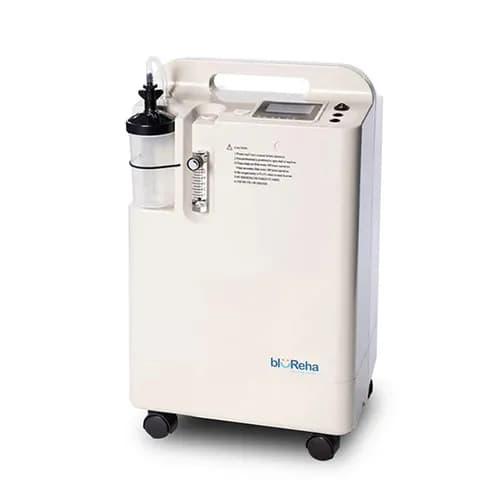
Where Can i Find an Oxygen Concentrator For Home Use in India a Complete 2026 Guide is a comprehensive navigation framework designed to help patients, caregivers, and medical institutions locate, evaluate, and acquire certified home respiratory equipment across Indian cities. Finding dependable medical-grade oxygen devices requires understanding technical specifications, regulatory standards, and delivery channels. At Oxygen4India, we specialize in providing home oxygen concentrators, CPAP and BiPAP machines, and essential accessories through our dedicated e-commerce platform, ensuring families across India access verified life-support technology with expert guidance.
Whether you need a high-capacity 10-LPM unit for intensive respiratory support or a standard 5-LPM device for long-term therapy, choosing the right equipment involves comparing flow rates, purity monitors, and service models. This guide outlines everything you need to know about purchasing, renting, and operating an oxygen concentrator safely at home.
What Is a Home Oxygen Concentrator and How Does It Work?
A home oxygen concentrator is an electrically powered medical device that purifies room air by removing nitrogen to deliver continuous, oxygen-enriched gas to patients. By taking ambient air—which naturally contains roughly 78% nitrogen and 21% oxygen—and filtering it through internal molecular sieves, the machine concentrates the oxygen to medical-grade levels reaching up to 93%–96% purity for safe inhalation.
- AMBIENT ROOM AIR (78% Nitrogen, 21% Oxygen)
- DUST & PARTICULATE PRE-FILTRATION
- AIR COMPRESSOR (Pressurizes ambient air)
- PRESSURE SWING ADSORPTION (PSA) Sieve Bed A: Adsorbs Nitrogen under high pressure, Sieve Bed B: Desorbs Nitrogen & vents back to room
- OXYGEN STORAGE TANK (90%–96% Concentrated O2)
- FLOWMETER & HUMIDIFIER (Adjusts flow rate & adds moisture)
- PATIENT (via Nasal Cannula/Mask)
The underlying mechanical process relies on Pressure Swing Adsorption (PSA) technology. Inside the machine, an electric compressor forces air through twin sieve beds filled with synthetic minerals called zeolites. Under high pressure, the zeolite material selectively adsorbs nitrogen molecules while allowing oxygen gas to pass through into a reservoir tank. The system periodically swings the internal pressure to vent the trapped nitrogen back into the room, creating an endless cycle of purified oxygen production without requiring refillable tanks.
When setting up home therapy, you must strictly follow a doctor's prescription regarding flow rate (measured in liters per minute, or LPM) and daily operating duration. Medical-grade concentrators feature built-in oxygen percentage indicators (OPI) to alert users if concentration levels drop below safe thresholds.
Where Can You Find an Oxygen Concentrator for Home Use in India?
You can find an oxygen concentrator for home use in India through verified online respiratory e-commerce platforms, authorized local medical equipment dealers, hospital equipment suppliers, and specialized healthcare rental providers across major metro cities and regional hubs. These platforms offer doorstep delivery, installation support, and accessory kits for immediate home setup.
| SPECIALIZED ONLINE STORES | LOCAL DEALERS & RENTALS |
|---|---|
| Nationwide Delivery | Local Medical Supply Stores |
| Certified Brands | Regional Rental Agencies |
| Complete Accessory Support | Immediate Pick-up Options |
| e.g., Oxygen4India | e.g., Regional Providers |
When evaluating suppliers, patients and caregivers generally choose between specialized online platforms and regional brick-and-mortar distributors:
- Specialized E-Commerce Platforms: Online providers like Oxygen4India offer nationwide shipping, allowing you to browse fully certified home oxygen concentrators from top global and domestic manufacturers. Buying online gives you direct access to technical datasheets, explicit warranty terms, and matching accessories delivered directly to your doorstep.
- Regional Healthcare Suppliers & Dealers: Local medical equipment stores and regional companies—such as Healthy Jeena Sikho, Prime Healers, Mythree Healthcare, OxyGo India, and Medequip—operate across select Indian cities. You should check their respective sites to verify current stock, rental terms, and local emergency dispatch capabilities.
- Direct Hospital & Clinical Distributors: Authorized distributor networks supplying major hospital chains often maintain retail wings for discharged patients requiring long-term home oxygen therapy.
Deciding between purchasing a brand-new unit and choosing an oxygen concentrator rental depends heavily on your medical prescription:
- Long-Term Therapy (6+ Months): Purchasing a new machine is generally more cost-effective for chronic conditions like Severe Chronic Obstructive Pulmonary Disease (COPD), Pulmonary Fibrosis, or interstitial lung disease.
- Short-Term Therapy (1–12 Weeks): Renting is ideal for post-acute COVID-19 recovery, temporary post-surgical rehab, or short-term palliative care where equipment is only required for a few weeks or months.
5-LPM vs. 10-LPM Oxygen Concentrators: Which Option Fits Your Medical Prescription?
Choosing between a 5-LPM and a 10-LPM oxygen concentrator depends entirely on your physician's prescribed flow rate, required oxygen concentration purity, continuous delivery demands, and expected duration of home respiratory therapy.
| 5-LPM CONCENTRATOR | 10-LPM CONCENTRATOR |
|---|---|
| [x] 0.5 – 5.0 LPM Flow | [x] 2.0 – 10.0 LPM Flow |
| [x] ~14 to 18 kg Weight | [x] ~24 to 30 kg Weight |
| [x] 280W - 350W Power | [x] 500W - 650W Power |
| [x] Standard COPD Care | [x] High-Flow / Dual Use |
Selecting the wrong capacity can lead to insufficient oxygenation or unnecessary electricity costs. Below is a side-by-side technical comparison of continuous-flow machines available in India:
| Feature / Attribute | 5-LPM Continuous Flow Concentrators | 10-LPM Continuous Flow Concentrators |
|---|---|---|
| Maximum Flow Rate | 0.5 to 5.0 Liters Per Minute | 2.0 to 10.0 Liters Per Minute |
| Oxygen Purity Range | 90% to 96% across all flow settings | 90% to 96% across all flow settings |
| Power Consumption | 280 Watts – 350 Watts | 500 Watts – 650 Watts |
| Average Unit Weight | 14 kg – 18 kg | 24 kg – 30 kg |
| Noise Level Output | 40 dB – 48 dB (Quieter for sleep) | 50 dB – 58 dB (Slightly louder motor) |
| Outlet Pressure | Standard (approx. 5 to 9 PSI) | High Pressure (approx. 12 to 20 PSI) |
| Dual Outlet Capabilities | Rarely supported (Single patient use) | Frequently supported (Can split flow for 2 patients if prescribed) |
| Primary Clinical Use | Mild-to-moderate COPD, asthma, mild hypoxia | Severe respiratory distress, lung fibrosis, high-flow clinical recovery |
While broad market costs vary depending on machine features, brand origin, and included maintenance packages, standard 5-LPM units sit at entry-level investment points, whereas high-output 10-LPM machines require higher capital due to dual-sieve compressors and heavy-duty cooling fans. Always consult your pulmonologist before picking a capacity; running a 5-LPM machine at its absolute maximum continuously can cause faster mechanical wear if your condition actually calls for a higher-capacity compressor.
What Key Criteria Should You Look For Before Choosing a Home Oxygen Concentrator?
Before choosing a home oxygen concentrator, you must evaluate oxygen purity monitoring, noise output, continuous power efficiency, alarm systems, physical portabilities, local warranty coverage, and the continuous availability of compatible replacement consumables.
- [1] OXYGEN PURITY GUARANTEE: Must sustain 90%–96% purity at full flow
- [2] INTEGRATED ALARM SYSTEMS: Power failure, low purity & pressure drops
- [3] ACOUSTIC RATING (dB): Below 45 dB recommended for bedside use
- [4] AFTER-SALES SUPPORT: Local service network & replacement parts
- [5] ESSENTIAL ACCESSORIES: Filters, tubing, cannulas & humidifiers
To ensure patient safety and long-term reliability, check these essential criteria before placing an order:
- Oxygen Purity & Built-in Sensor: Ensure the unit guarantees 90% to 96% purity at your specific prescribed LPM flow. Look for machines with a built-in Oxygen Percentage Indicator (OPI) that displays real-time purity on an LCD screen.
- Operational Noise Output: If you or your patient needs nighttime oxygen therapy, look for low-noise units operating below 45 decibels (dB) to prevent sleep disruption.
- Safety Alarm Systems: The machine must feature clear audible and visual warnings for power line disruptions, low oxygen purity output (below 82%), high compressor temperatures, and line blockages.
- Power Consumption & Voltage Tolerances: Indian electrical grids often experience voltage fluctuations. Look for energy-efficient units (under 350W for 5-LPM) and always connect your machine through a dedicated voltage stabilizer (500VA to 1000VA capacity).
- Warranty & Local Serviceability: Verify that the supplier offers at least 1 to 3 years of comprehensive compressor warranty within India. Ensure replacement parts like sieve beds, internal intake filters, and valves are readily accessible.
Maintaining an adequate supply of fresh consumables is critical for safe therapy. You can order original tubing, masks, and filters through the oxygen concentrator accessories catalog to ensure your equipment stays hygienic and operating at peak performance.
How Do You Set Up and Maintain Your Home Oxygen Concentrator Step-by-Step?
Setting up and maintaining your home oxygen concentrator involves positioning the machine in an open space, filling the humidifier bottle correctly, connecting medical-grade tubing, turning on the power, matching the exact prescribed LPM flow rate, and cleaning air intake filters every week.
- Position Unit 1-2 ft from walls
- Fill Humidifier with Distilled H2O
- Attach Tubing & Set Prescribed LPM
- Wash Outer Filter Weekly with Water
Follow these detailed steps to safely configure and care for your machine:
- Position the Unit Correctly: Place the concentrator at least 1 to 2 feet (30–60 cm) away from walls, curtains, or furniture. This ensures unobstructed ambient air intake and prevents compressor overheating. Keep the unit away from open flames, gas stoves, candles, and sparks.
- Prepare the Humidifier Bottle: Fill the reusable humidifier bottle between the minimum and maximum lines using distilled or sterile water. Tap water contains minerals that can clog internal oxygen channels over time. Screw the cap tight and attach it securely to the machine's oxygen outlet port.
- Connect Tubing and Adjust Flow Rate: Attach your nasal cannula or oxygen mask to the outlet port on the humidifier bottle. Plug the power cord into a grounded wall outlet (preferably via a voltage stabilizer). Switch the device ON, let it run for 3 to 5 minutes to stabilize oxygen purity, and adjust the mechanical flow meter knob so the center of the ball aligns directly with your physician's prescribed LPM mark.
- Perform Routine Maintenance:
- Weekly: Remove the external foam cabinet filter, wash it thoroughly under warm tap water, air-dry it completely, and reinsert it. Never operate the machine with a wet filter.
- Monthly: Wipe down the outer plastic cabinet using a damp cloth. Discard and replace disposable single-patient nasal cannulas every 2 to 4 weeks.
- Annually: Replace internal HEPA or fine-particle intake filters as recommended in the manufacturer manual.
Can You Rent an Oxygen Concentrator in India for Short-Term Care?
You can rent an oxygen concentrator in India for short-term care, making it a flexible, cost-effective option for post-hospitalization recovery, acute respiratory infections, or short-term palliative care where equipment is only needed for a few weeks or months.
- Sanitization Certificate : Verified chemical disinfection between patients
- Hour Meter Verification : Total compressor run-time verified low
- Fresh Consumables Kit : Brand-new sealed cannula, mask, and bottle
- Baseline Purity Test : Oxygen concentration verified at >=90% upon setup
- Technical Support Access : 24/7 helpline for troubleshooting or replacement
Renting avoids the full upfront capital expense of purchasing a new device while ensuring access to medical-grade technology. At Oxygen4India, we offer flexible oxygen concentrator rental plans tailored for short-term clinical recovery, delivering sanitized, performance-tested units directly to patients across India.
Before accepting a rented oxygen concentrator, verify this essential quality checklist:
- Sanitization and Inspection: Ensure the supplier chemically disinfects the unit and replaces all internal filters prior to delivery.
- Total Machine Operating Hours: Check the built-in digital hour meter. Select units with lower total run hours to minimize the risk of mechanical breakdown during therapy.
- Sealed Hygienic Accessories: Insist on receiving brand-new, sealed nasal cannulas, extension tubing, and humidifier bottles. Never reuse consumables from a previous tenant.
- Purity Testing at Delivery: Request the delivery technician to test the unit's output purity using a hand-held oxygen analyzer in front of you. Purity should register between 90% and 96%.
- 24/7 Technical Support: Confirm that your rental provider offers rapid replacement guarantees in case of machine breakdown or power supply issues.
Why Is Professional Guidance Crucial When Selecting Respiratory Equipment?
Professional guidance is crucial when selecting respiratory equipment because oxygen therapy is a regulated medical treatment. Incorrect flow rates or unmonitored usage can cause severe clinical complications, including oxygen toxicity, carbon dioxide retention (hypercapnia), or inadequate oxygenation (hypoxia).
| GUIDELINE BODIES | SAFETY MANDATES |
|---|---|
| WHO, ICMR, AIIMS | • Strict flow rate adherence (LPM) • Continuous pulse oximetry monitoring • No prescription adjustments without MD |
- PATIENT SAFETY FOCUS: Prevents Hypercapnia & Oxygen Toxicity
Clinical guidance issued by the World Health Organization (WHO) and Indian health research bodies like the Indian Council of Medical Research (ICMR) emphasizes that home oxygen must be administered according to precise physician prescriptions. Never adjust your LPM flow rate or daily duration without direct instructions from your attending pulmonologist.
Furthermore, many patients suffering from respiratory conditions experience overlapping sleep-disordered breathing, such as obstructive sleep apnea (OSA). In these scenarios, standalone oxygen concentrators may not provide sufficient airway stability. Your doctor may prescribe positive airway pressure devices—such as CPAP or BiPAP therapy—alongside supplemental oxygen. You can explore our educational guides on managing complex respiratory conditions in the Oxygen4India health news & research library.
Finding the Right Home Oxygen Solution in India
Finding the ideal home oxygen concentrator in 2026 requires balancing medical prescriptions with equipment reliability. By understanding your required LPM flow, confirming internal purity monitoring, checking operating noise levels, and choosing between long-term purchase or flexible rental models, you can establish a safe respiratory care setup at home.
As a specialized e-commerce platform dedicated to respiratory health, Oxygen4India is committed to delivering certified oxygen concentrators, CPAP/BiPAP machines, and replacement accessories directly to your home anywhere in India.
Need expert help picking the right home oxygen concentrator or rental plan? WhatsApp an expert on +91 86868 64336 today for personalized, professional guidance tailored to your medical prescription.


